
Buying your first home comes with plenty of exciting milestones, but it also introduces responsibilities that many new homeowners haven’t dealt with before. One of the most important systems you’ll rely on every day is your home’s heating, ventilation, and air conditioning (HVAC) system. Understanding how it works can help you stay comfortable, avoid costly repairs, and make smarter maintenance decisions.
Whether you’re moving into a newly built house or an older property, learning the basics of your HVAC system is well worth the effort. If you’re planning an upgrade or researching HVAC installation Winchester, having a solid understanding of HVAC systems will help you make informed choices that suit your home’s needs.
What Is an HVAC System?
An HVAC system controls your home’s indoor climate by providing heating, cooling, and ventilation. These systems work together to maintain comfortable temperatures while improving indoor air quality throughout the year.
Although configurations vary, most residential HVAC systems include:
- A furnace or heat pump for heating
- An air conditioner or cooling unit
- Ductwork that distributes conditioned air
- A thermostat that regulates temperature
- Air filters that capture dust and airborne particles
Each component plays an important role, and when one part isn’t functioning properly, the entire system can become less efficient.
Why HVAC Knowledge Matters for First-Time Homeowners
Many homeowners don’t think much about their HVAC system until something stops working. However, preventative care is often much less expensive than emergency repairs.
Understanding your system allows you to:
- Recognize early warning signs of problems
- Improve energy efficiency
- Extend the lifespan of your equipment
- Maintain healthier indoor air quality
- Budget for future maintenance and replacement costs
A little knowledge can go a long way toward avoiding unexpected expenses.
Learn the Type of System in Your Home
Not every home uses the same heating and cooling equipment. Before settling into your new home, identify the type of HVAC system you have.
Common residential systems include:
- Central heating and air conditioning
- Heat pump systems
- Ductless mini-split systems
- Boilers with radiant heating
- Packaged HVAC units
Review the owner’s manuals if they’re available, and locate the model numbers of your equipment. This information will be useful when scheduling maintenance or ordering replacement parts.
Change Air Filters Regularly
One of the easiest maintenance tasks is replacing your air filter.
A dirty filter restricts airflow, forcing the system to work harder than necessary. This can reduce efficiency, increase utility bills, and place unnecessary strain on the equipment.
Most homes benefit from changing filters every one to three months, although the ideal schedule depends on factors such as:
- Pets in the home
- Allergy concerns
- Indoor air quality
- Filter type
- System usage
Checking the filter monthly helps determine when replacement is needed.
Don’t Ignore Routine Maintenance
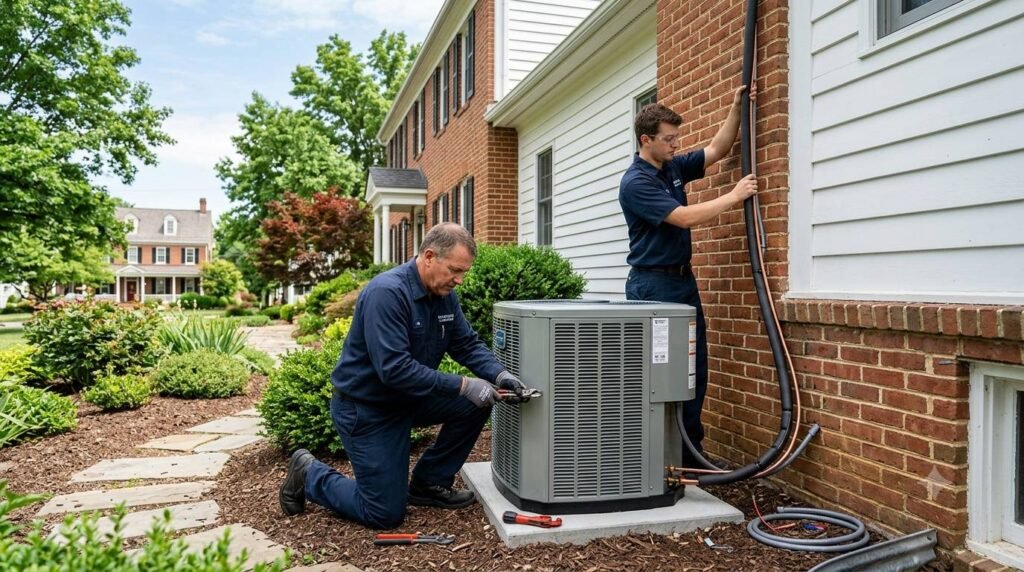
Professional maintenance helps keep HVAC equipment operating efficiently while identifying small issues before they become major repairs.
A typical maintenance visit may include:
- Inspecting electrical connections
- Cleaning coils and components
- Checking refrigerant levels
- Testing thermostat operation
- Lubricating moving parts
- Verifying airflow throughout the system
Many HVAC professionals recommend scheduling cooling maintenance in the spring and heating maintenance in the fall.
Understand Your Thermostat
Your thermostat serves as the control center for your HVAC system. Learning how to use it effectively can improve comfort while reducing energy consumption.
Programmable and smart thermostats allow homeowners to automatically adjust temperatures throughout the day. For example, lowering the temperature setting while you’re away during winter or raising it slightly during summer can help reduce unnecessary energy use without sacrificing comfort.
Small adjustments over time often result in noticeable energy savings.
Watch for Warning Signs
HVAC systems usually provide clues before a complete breakdown occurs.
Pay attention if you notice:
- Uneven temperatures between rooms
- Strange noises such as banging or squealing
- Weak airflow from vents
- Unpleasant odors
- Frequent cycling on and off
- Rising energy bills without increased usage
Addressing these issues early can often prevent more expensive repairs later.
Energy Efficiency Makes a Difference
Heating and cooling account for a significant portion of household energy use. Improving HVAC efficiency benefits both your comfort and your monthly utility costs.
Simple ways to improve efficiency include:
- Keeping vents unobstructed
- Sealing air leaks around windows and doors
- Using ceiling fans to circulate air
- Scheduling regular maintenance
- Installing proper insulation
- Replacing aging equipment when necessary
Even small improvements can make your system work more effectively.
Know When Replacement Makes More Sense Than Repairs
Every HVAC system has a limited lifespan. Furnaces and air conditioners often last well over a decade with proper maintenance, but aging systems may become less reliable and less efficient.
If repairs become frequent or energy costs continue to climb, replacing older equipment may provide better long-term value. Modern systems are designed with improved efficiency, quieter operation, and enhanced comfort features.
A qualified HVAC contractor can evaluate your current equipment and recommend solutions based on your home’s size, climate, and heating and cooling needs.
Conclusion
For first-time homeowners, understanding your HVAC system is one of the smartest investments you can make. Learning the basics, replacing air filters regularly, scheduling preventative maintenance, and recognizing early warning signs all contribute to a more comfortable and efficient home.
Rather than waiting for something to go wrong, take a proactive approach to HVAC care. With routine attention and informed decision-making, your heating and cooling system can provide dependable comfort for years while helping you avoid unnecessary repair costs.