
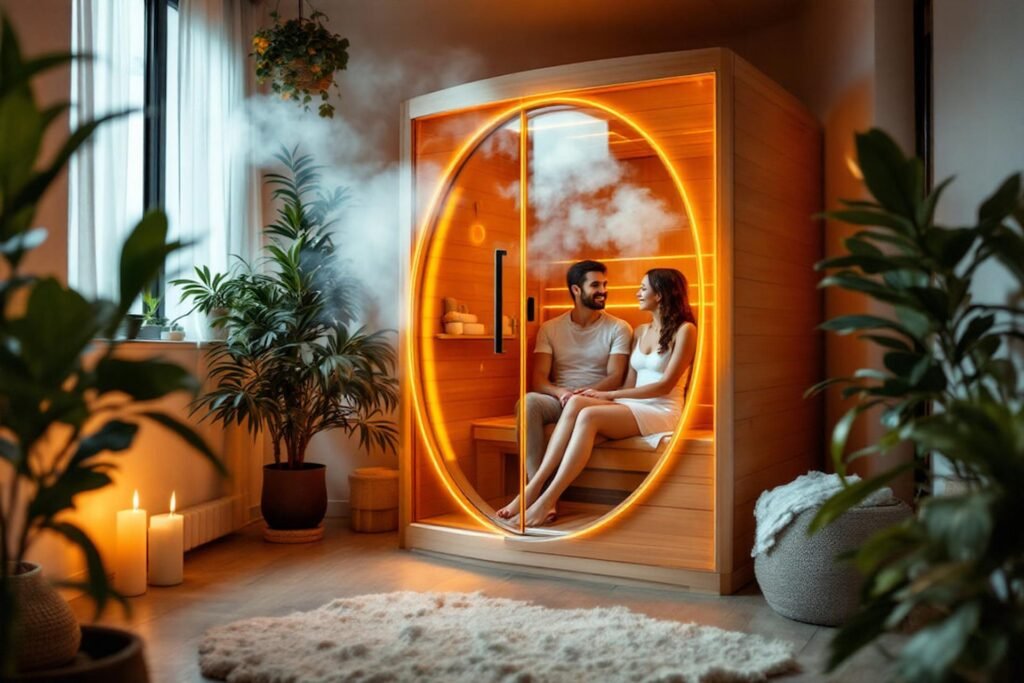

Thinking about adding a sauna to your home? A private sauna can enhance comfort, relaxation, and property appeal. However, choosing the right location, design, heating system, and installation partner is essential. Understanding the key considerations before installation helps you make informed decisions and enjoy long-term benefits without costly mistakes.
Creating a wellness-focused space at home has become increasingly popular, and a sauna is often at the top of many homeowners’ wish lists. A well-designed sauna provides a dedicated place to unwind, relax, and enjoy a luxurious experience without leaving your property. However, before beginning any Sauna Installation, it is important to understand the planning, design, and practical considerations involved.
A successful home sauna project requires more than simply choosing a model and fitting it into a spare room. Factors such as available space, ventilation, power supply, and ongoing maintenance all play a significant role in achieving the best results.
By taking the time to evaluate your options and understand the installation process, you can create a sauna that complements your home, meets your lifestyle needs, and delivers lasting value for years to come.
Why Home Saunas Continue to Grow in Popularity
Homeowners are increasingly investing in wellness features that provide convenience and comfort. A sauna offers a private retreat where you can relax in a peaceful environment whenever you choose.
Unlike visiting external wellness facilities, a home sauna provides complete privacy and immediate access. It also allows you to enjoy the experience on your own schedule, making it a practical addition to modern living spaces.
Furthermore, a professionally installed sauna can enhance the overall appeal of a property by adding a premium leisure feature that many buyers find attractive.
Choosing the Right Type of Sauna
Before installation begins, it is important to determine which sauna style best suits your requirements.
Traditional Saunas
Traditional saunas use heated stones to generate dry heat. Water can be added to the stones to create steam and increase humidity levels.
These saunas are known for delivering an authentic experience and are often preferred by those seeking a classic sauna environment.
Infrared Saunas
Infrared saunas use specialised heating technology that warms the body directly rather than heating the surrounding air.
They typically operate at lower temperatures and may require less space than traditional options.
Steam Rooms
Many homeowners also consider steam rooms as part of their home wellness project. Unlike saunas, steam rooms create a humid environment filled with warm steam.
Companies offering wellness solutions often provide both sauna and steam room design and installation services, helping homeowners choose the option that best fits their preferences.
Assessing Available Space
One of the most important planning stages involves identifying the ideal location within your home.
Popular installation areas include:
- Spare rooms
- Home gyms
- Basements
- Garden buildings
- Dedicated wellness spaces
The available area will influence the size, layout, and overall design of your sauna. Careful planning ensures comfortable use while maintaining adequate airflow and accessibility.
It is also worth considering future needs. Choosing a slightly larger design may provide greater flexibility and comfort over time.
Understanding Ventilation Requirements
Proper ventilation is essential for any sauna environment.
Without adequate airflow, heat distribution may become inconsistent, and moisture management can become more challenging. Good ventilation helps maintain comfort, supports efficient operation, and contributes to the longevity of the sauna structure.
Professional installers carefully assess ventilation requirements during the planning phase to ensure optimal performance.
Electrical and Heating Considerations
Every sauna requires an appropriate power source.
The heating system selected will determine the electrical requirements, installation process, and operating costs. Some systems may require dedicated electrical connections, while others can integrate more easily with existing home infrastructure.
A qualified installation team can assess your home’s capacity and recommend suitable solutions that comply with relevant safety standards.
This stage should never be overlooked, as proper electrical planning ensures both performance and safety.
Material Quality Matters
The materials used during construction have a significant impact on durability, appearance, and comfort.
High-quality timber is commonly used because it performs well under changing temperatures and creates an attractive finish. The right materials can also improve insulation, helping maintain consistent heat levels and energy efficiency.
When evaluating installation providers, it is worth examining the quality of materials they use and the craftsmanship involved in their projects.
Customisation Options to Consider
Modern home saunas offer a wide range of design possibilities.
Many homeowners choose custom features that reflect their personal preferences and complement existing interior design schemes.
Common customisation options include:
- Bespoke seating layouts
- Integrated lighting systems
- Glass panels and doors
- Digital controls
- Premium timber finishes
These features can transform a simple sauna into a sophisticated wellness space that blends seamlessly with the rest of the home.
Working with Professional Installers
Choosing an experienced installation company is one of the most important decisions in the process.
Specialists offering sauna and steam room solutions typically provide support throughout the entire project, including design consultation, planning, installation, and aftercare.
Professional installers can help:
- Assess available space
- Recommend suitable sauna types
- Ensure compliance with safety standards
- Manage technical requirements
- Deliver a high-quality finish
Their expertise reduces the likelihood of costly mistakes and helps ensure the final result meets expectations.
Ongoing Maintenance Requirements
Although saunas are relatively straightforward to maintain, regular care helps preserve their appearance and functionality.
Routine maintenance may include cleaning surfaces, inspecting ventilation systems, checking heating components, and monitoring overall condition.
Following the manufacturer’s maintenance recommendations helps extend the lifespan of the installation and ensures continued performance.
Fortunately, most modern sauna systems are designed for ease of maintenance, making long-term ownership relatively simple.
Considering Long-Term Value
A sauna should be viewed as a long-term investment rather than a short-term purchase.
While installation costs vary depending on size, design, and features, a well-planned sauna can provide years of enjoyment. Quality construction and professional installation help maximise both performance and durability.
Additionally, a dedicated wellness feature can contribute positively to the overall appeal and perceived value of a property.
Frequently Asked Questions
How much space is needed for a home sauna?
The space required depends on the type and size of the sauna. Professional installers can recommend suitable options based on the available area within your home.
Can a sauna be installed indoors or outdoors?
Yes. Saunas can be installed in various indoor locations as well as purpose-built outdoor structures, depending on available space and preferences.
How long does sauna installation take?
Installation times vary according to the complexity, size, and customisation of the project. A professional installer can provide a clear timeline during the planning stage.
Do home saunas require regular maintenance?
Yes. Regular cleaning and periodic inspections help maintain performance, safety, and appearance over the long term.
Is professional installation recommended?
Professional installation is strongly recommended to ensure correct design, ventilation, electrical integration, and compliance with safety standards.
Conclusion
Installing a sauna at home involves careful planning, informed decision-making, and professional expertise. From selecting the right sauna type to assessing available space, ventilation, materials, and electrical requirements, every detail contributes to the success of the project.
By working with experienced specialists and investing in quality design and construction, homeowners can create a luxurious wellness environment that delivers comfort, convenience, and lasting value. Whether you choose a traditional sauna, an infrared model, or a steam room solution, thoughtful Sauna Installation planning will help ensure a rewarding and enjoyable experience for years to come.