
Clean indoor air is essential for comfort, health, and overall well-being. With people spending most of their time indoors, indoor air quality in homes and workplaces plays a direct role in respiratory health, energy levels, and even sleep quality. Dust, allergens, pollutants, and moisture can silently build up, affecting your living environment. Fortunately, with the right habits and simple adjustments, you can significantly improve your indoor environment and maintain healthier indoor air quality every day.
1. Keep Your Home Well Ventilated
Proper ventilation is the foundation of fresh indoor air and plays a vital role in maintaining healthy indoor air quality. Opening windows and doors regularly allows stale air to escape while bringing in fresh outdoor air. Cross-ventilation, where air flows from one side of the house to the other, is especially effective at removing indoor pollutants. Even in colder months, brief ventilation periods can make a noticeable difference without significantly affecting indoor temperature. Kitchens and bathrooms should have exhaust fans to remove humidity, smoke, and lingering odors that can degrade air quality.
2. Maintain Your HVAC System Regularly
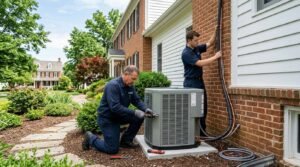
Your heating, ventilation, and air conditioning system plays a central role in circulating and filtering air. Dirty filters and poorly maintained systems can spread dust, allergens, and bacteria throughout your home. Replacing filters every 1 to 3 months and scheduling routine servicing ensures optimal performance. Clean systems not only improve air purity but also enhance energy efficiency, reducing utility costs while maintaining consistent airflow.
3. Control Indoor Humidity Levels
Humidity has a significant impact on air freshness. High humidity encourages mold growth and dust mites, while low humidity can cause dryness and discomfort. Ideally, indoor humidity should stay between 30% and 50%. Using dehumidifiers in damp areas like basements or humidifiers during dry seasons helps maintain balance. Proper humidity control prevents the growth of harmful microorganisms and keeps your indoor environment comfortable year-round.
4. Use Air Purifiers Strategically
Air purifiers are effective tools for removing airborne particles such as pollen, pet dander, smoke, and fine dust. Devices equipped with HEPA filters can capture even microscopic pollutants. Placing air purifiers in high-traffic areas like living rooms or bedrooms maximizes their impact. While they should not replace ventilation, they act as an added layer of protection, especially in urban areas or homes with pets.
5. Keep Floors and Surfaces Clean
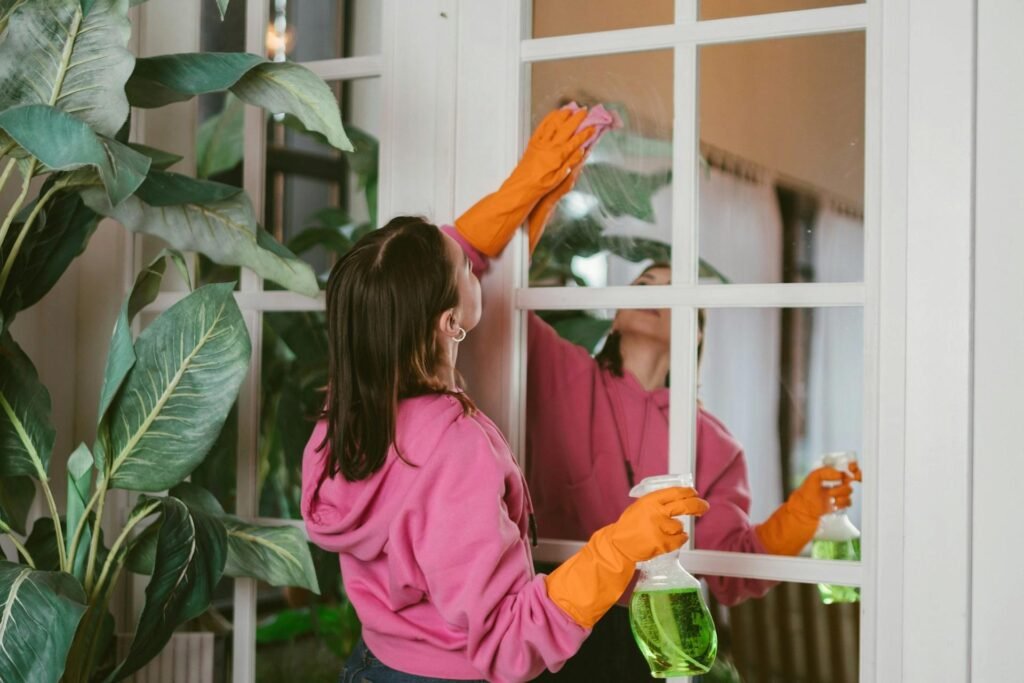
Dust and allergens often settle on floors, furniture, and fabrics. Regular cleaning helps prevent these particles from becoming airborne again. Vacuuming with HEPA-filter vacuums, wiping surfaces with damp cloths, and washing bedding frequently reduce pollutant buildup. Carpets, in particular, can trap dust and allergens, so deep cleaning them periodically is essential for maintaining cleaner indoor air.
6. Add Indoor Plants Thoughtfully
Certain indoor plants can help improve air quality by absorbing toxins and releasing oxygen. Plants like snake plants, peace lilies, and spider plants are known for their air-purifying properties. However, moderation is key. Overwatering or overcrowding plants can increase humidity and lead to mold growth. When maintained properly, plants can enhance both air quality and the aesthetic appeal of your space.
7. Avoid Indoor Pollutants
Many everyday household items release pollutants into the air. Cleaning products, paints, air fresheners, and even candles can emit volatile organic compounds (VOCs). Opting for natural or low-VOC alternatives reduces chemical exposure. Limiting indoor smoking and ensuring proper ventilation while cooking also prevent harmful particles from accumulating in the air.
8. Ensure Proper Kitchen Ventilation
Cooking releases grease particles, smoke, and odors that can linger in your home. Using a range hood or exhaust fan while cooking helps remove these pollutants effectively. Keeping your kitchen well-ventilated prevents airborne particles from spreading to other rooms, helping maintain a cleaner, fresher indoor environment overall.
9. Wash and Replace Fabrics Regularly
Curtains, upholstery, rugs, and cushions can trap dust, allergens, and odors over time. Regular washing or professional cleaning keeps these materials fresh and reduces airborne particles. Switching to washable curtains or using removable covers for furniture makes maintenance easier and more effective.
10. Monitor Air Quality Levels
Using indoor air quality monitors provides real-time insights into pollutant levels, humidity, and temperature. These devices help you identify problem areas and adjust your habits accordingly. Monitoring ensures that your efforts to maintain clean air are effective and allows for quick action when conditions change.
Final Thoughts
Maintaining clean and fresh indoor air is not a one-time effort but an ongoing process that combines smart habits, regular maintenance, and informed choices. By improving ventilation, controlling humidity, and reducing pollutants, you create a healthier and more comfortable living space. Small, consistent actions can lead to noticeable improvements in air quality, supporting better health and overall well-being.