
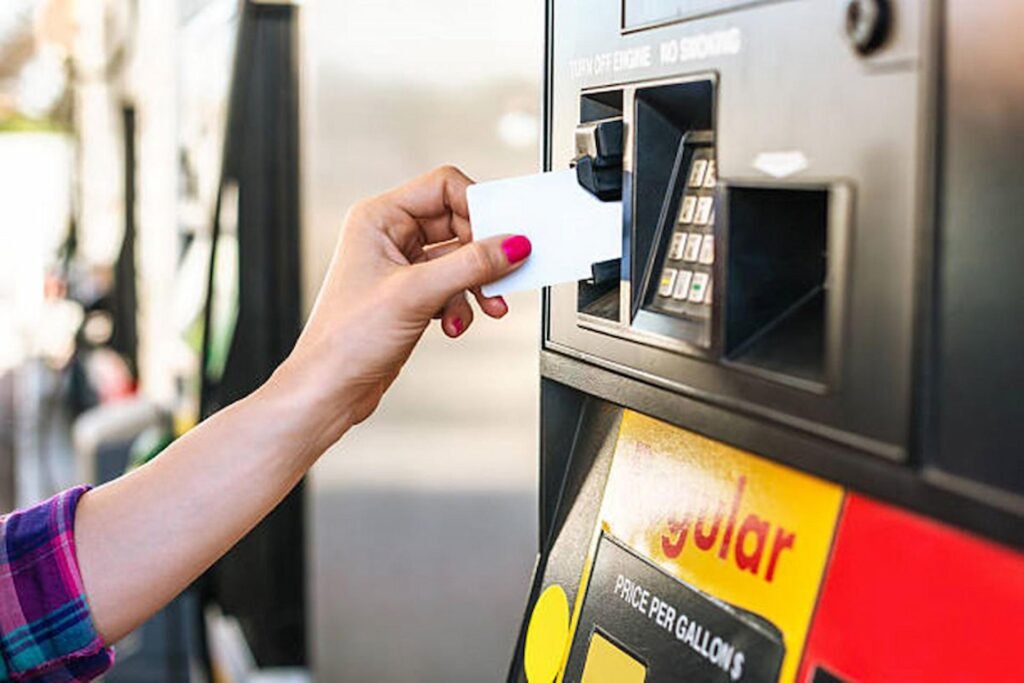

Managing fuel expenses across a fleet can quickly become complex without proper oversight. Fuel cards simplify tracking, but without regular audits, inefficiencies can quietly erode your budget. A structured audit not only reveals hidden costs but also improves accountability, compliance, and operational efficiency.
Review Fuel Usage Patterns Across Vehicles
Start by analysing fuel consumption trends for each vehicle. Look for irregular spikes or inconsistencies that don’t align with expected mileage or routes. For example, if a vehicle shows significantly higher fuel usage without increased travel, it may indicate misuse or inefficiency.
Compare usage data over time and across similar vehicle types. Consistent benchmarking helps identify outliers and establishes a baseline for normal consumption.
Evaluate Vendor and System Performance
Your fuel card provider plays a critical role in how efficiently your system operates. Assess factors such as reporting capabilities, transaction accuracy, and customer support responsiveness.
Many businesses rely on advanced platforms like AI Corporation for detailed analytics and automation. Leveraging such solutions can simplify audits by offering real-time insights, automated alerts, and comprehensive reporting dashboards.
Verify Transactions Against Actual Travel Data
Cross-check fuel transactions with GPS tracking or driver logs. This step ensures that fuel purchases match actual routes and distances travelled.
Discrepancies—such as fuel purchases in locations outside assigned routes—can signal unauthorised usage or potential fraud. Integrating telematics with fuel card data strengthens this verification process and improves transparency.
Analyse Fuel Pricing and Network Coverage
Not all fuel stations offer the same pricing. Review where your drivers are purchasing fuel and whether those locations align with cost-effective options within your network.
Encourage usage of preferred stations that offer negotiated rates. If your current network limits access to competitive pricing, it may be time to renegotiate terms or explore alternative providers.
Identify Unauthorised or Suspicious Transactions
Look for red flags such as:
- Transactions outside working hours
- Multiple fuel purchases within a short time frame
- Fuel volumes exceeding tank capacity
These patterns often indicate misuse. Setting transaction limits and alerts can help prevent such issues before they escalate.
Assess Driver Behaviour and Compliance
Driver habits significantly impact fuel efficiency. Frequent idling, aggressive driving, or route deviations can increase fuel consumption.
Review driver-specific data to identify patterns and provide targeted training where needed. Establishing clear fuel usage policies and ensuring compliance can lead to noticeable cost savings over time.
Review Card Controls and Security Measures
An effective fuel card system should include robust controls such as:
- Purchase limits per transaction or day
- Restrictions on fuel type
- PIN-based authentication
Regularly audit these controls to ensure they are correctly configured and actively enforced. Weak controls increase the risk of fraud and unnecessary expenses.
Evaluate Reporting Accuracy and Data Accessibility
Accurate, accessible data is the backbone of any audit. Assess whether your system provides clear, detailed reports that are easy to interpret.
Look for features like custom reporting, real-time updates, and integration with accounting systems. If reporting is inconsistent or difficult to access, it may hinder decision-making and delay corrective actions.
Calculate Total Cost of Ownership (TCO)
Fuel costs extend beyond the price per litre. Consider additional factors such as:
- Administrative costs
- System fees
- Time spent managing discrepancies
A comprehensive audit should evaluate the total cost of ownership. This broader perspective helps determine whether your current system delivers real value or requires optimisation.
10. Benchmark Against Industry Standards
Compare your fuel efficiency metrics with industry averages. This benchmarking highlights whether your fleet is performing optimally or falling behind.
Industry data can also guide realistic improvement targets. Continuous benchmarking ensures your system evolves alongside best practices and technological advancements.
Wrapping Up
Auditing your fuel card management system is not just a routine task—it is a strategic initiative that drives cost control, accountability, and operational efficiency. By systematically reviewing usage patterns, transaction accuracy, vendor performance, and security controls, you can uncover inefficiencies that often go unnoticed.
A well-executed audit empowers you to make informed decisions, optimise fuel spending, and enhance overall fleet performance. In a competitive environment, these improvements can deliver a significant advantage.